Daisy Watercolor Clipart Chamomile PNG: A Designer's Floral Toolkit
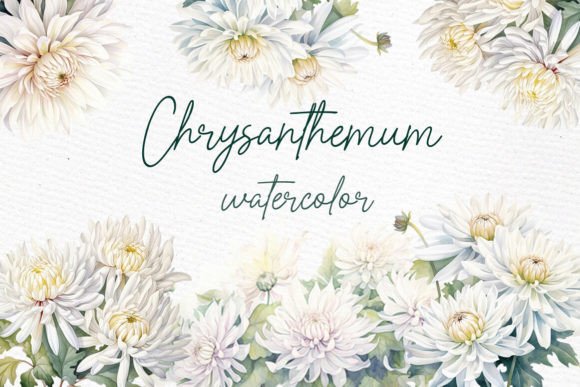
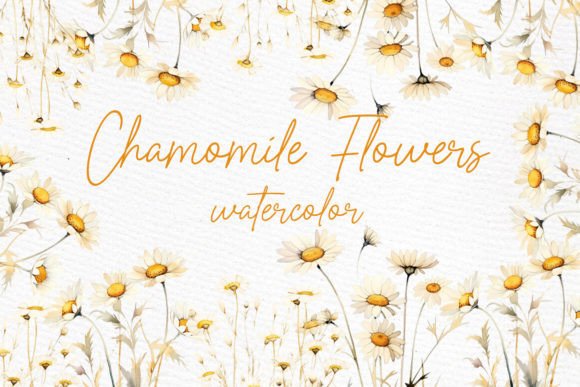
There’s a particular kind of visual asset that can shift the entire mood of a project. It’s not a font or a full-blown photograph, but something more delicate—a set of illustrations that feels both timeless and hand-touched. The Daisy Watercolor Clipart Chamomile PNG collection is exactly that. At first glance, you see the familiar, cheerful face of a chamomile flower, rendered with the soft, fluid transparency that only watercolor can achieve. But look closer, and you’ll notice the subtle variations in petal edges, the gentle bleed of yellow from the center into white, and the organic imperfections that give it life. This isn’t a sterile, vectorized graphic. It’s a piece of art that carries the warmth of a handmade creation.
The personality of this clipart set is inherently gentle, natural, and inviting. The watercolor style lends a soft, dreamy quality, making it feel personal and approachable rather than corporate or overly polished. It’s the kind of aesthetic that resonates with brands and projects aiming to evoke feelings of calm, sincerity, and organic beauty. The chamomile itself carries symbolic weight—often associated with tranquility, healing, and simplicity—which can subtly infuse your designs with those same qualities. For a designer or business owner, this isn’t just a pretty picture; it’s a strategic element that can help communicate a specific brand ethos without a single word.
Where This Floral Clipart Truly Shines
The versatility of a high-quality PNG file like this is where its practical value becomes clear. Because it’s delivered at 300 dpi with a substantial 6-8 inch element size, it’s built for both digital and print applications. Let’s break down where it works best.
For digital and web design, these chamomile elements are perfect for adding a touch of elegance to a website header, a blog post featured image, or a social media graphic. They can soften the edges of a stark, modern layout or serve as the foundational visual for a nature-inspired brand. Imagine them as delicate accents on an online portfolio or as part of a cohesive Instagram story template. In editorial and publishing design, they excel as spot illustrations in magazines, as chapter headers in a cookbook, or as decorative elements in a digital newsletter. The watercolor effect adds a layer of sophistication and artistry that a flat graphic cannot match.
When it comes to print and physical products, the applications are just as rich. Think of wedding invitations, save-the-dates, and thank-you cards where the chamomile motif can set a romantic, rustic, or garden-party tone. Small business owners can use them on packaging design for artisanal goods, on product labels for candles or skincare, or as part of a branded sticker sheet. Crafters and hobbyists will find them invaluable for DIY projects—scrapbooking, handmade gift tags, custom stationery, or even printed on fabric for a unique textile project. The commercial license typically included with such assets opens the door for using them on products for sale, which is a significant advantage.
Integrating the Asset into Your Design Workflow
Having a beautiful asset is one thing; using it effectively is another. The key to leveraging the Daisy Watercolor Clipart Chamomile PNG is to treat it as a core component of your brand identity or project’s visual language, not just as a decorative afterthought.
Start by considering its role in your visual hierarchy. A watercolor element is naturally eye-catching due to its texture and color variation. Use it to draw attention to key areas, like a headline or a call-to-action button, but be mindful of scale. A large, bold chamomile cluster can dominate a layout, while a single, smaller bloom can act as a subtle accent. Its soft edges and organic shape make it excellent for balancing rigid typographic structures. Pair it with clean, sans serif fonts for a modern contrast, or with a delicate serif font for a more classic, cohesive feel. Avoid pairing it with overly ornate script fonts or handwritten fonts that might compete for attention and reduce readability.
Think about color and context. The natural palette of the chamomile—whites, yellows, and greens—is highly adaptable. It can complement a wide range of color schemes, from pastels to earth tones. Ensure the background you place it on doesn’t clash or cause the delicate details to get lost. Testing is crucial. Always check how the clipart looks at various sizes, especially when preparing files for print versus screen. Does the detail hold up when small? Does it pixelate when large? The high resolution of these files mitigates many of these issues, but a quick proof is always wise.
Making the Most of Your Design Assets
Ultimately, the value of a resource like the Daisy Watercolor Clipart Chamomile PNG lies in how it helps you solve real design problems and communicate more effectively. It’s a tool for adding personality, warmth, and a handcrafted feel in a digital world. For the entrepreneur building a brand identity, it offers a consistent visual motif that can be used across touchpoints. For the blogger or content creator, it provides a quick way to elevate the professionalism and aesthetic appeal of their content. For the crafter, it’s a gateway to creating personalized, beautiful objects.
When you download this set, you’re not just getting four PNG files. You’re acquiring a flexible piece of modern typography and illustration that can enhance logo design concepts, enrich packaging design, and add depth to social media graphics. It encourages a more thoughtful approach to design, where every element is chosen for its ability to contribute to the whole story. So, whether you’re designing a suite of wedding stationery, branding a local florist, or creating a serene blog layout, let these chamomile illustrations guide your aesthetic toward something more genuine, more beautiful, and more engaging.